On 12 February 2026, organizations and practitioners working in Haifa met for a half-day working session on strengthening shared living in the city.
The session was convened by SDC with Beit-Hagefen.
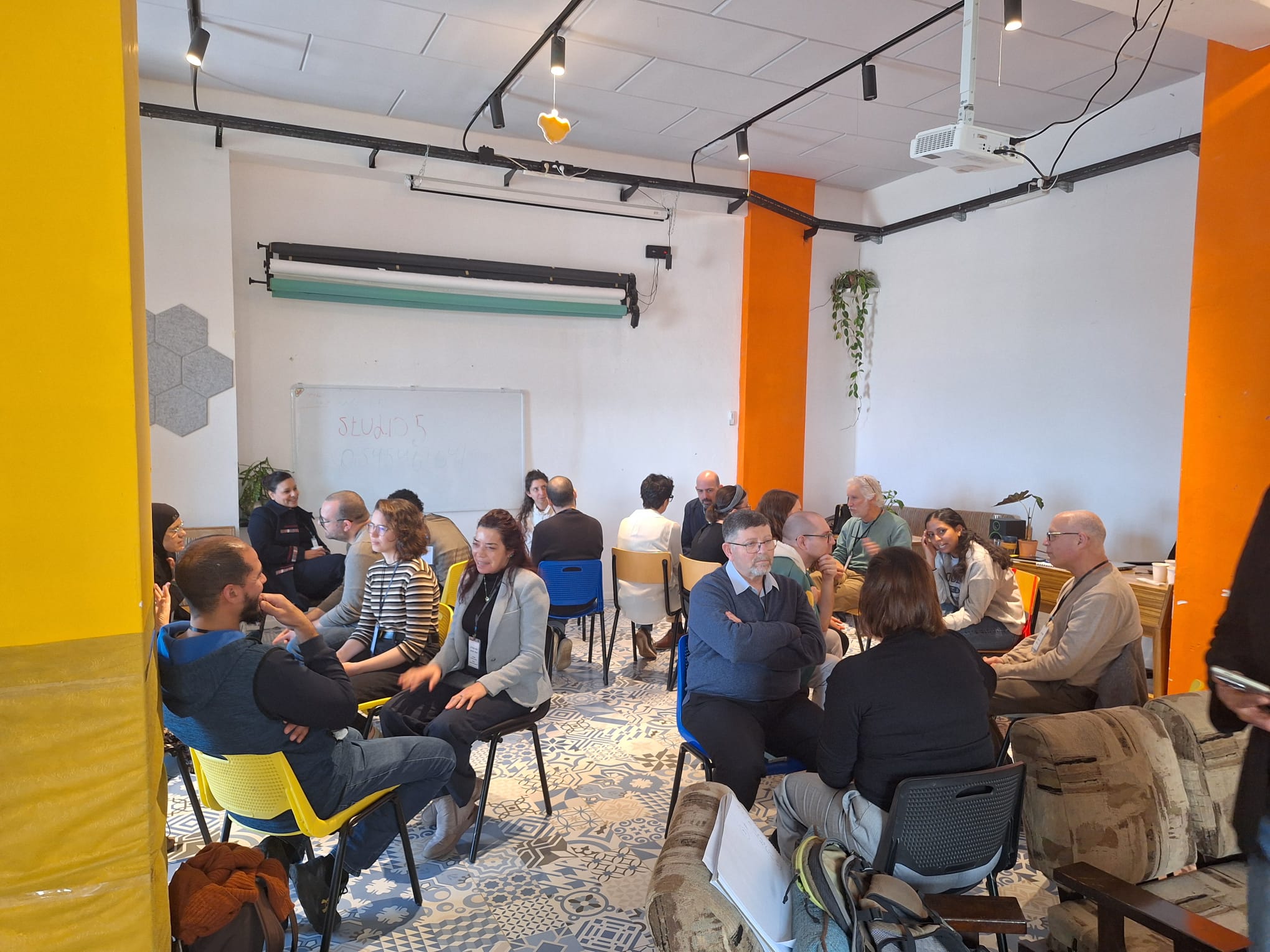
23 people registered in advance and others joined on the day. Those who registered came from 11 bodies active in Haifa: Arab and Jewish organizations, municipal community social workers including from East Haifa, an academic institution, an independent facilitator, and SDC. Most of them work directly with residents. This was the working layer of the city rather than an audience.
The session opened with a presentation on how language can become a practical foundation for shared living. A university researcher responded to that opening and worked with participants through the rest of the day. Participants then moved into small groups and returned to plenary, bringing the question back to the work each body does in the city.
Participants took up the conditions their own work depends on. Haifa has long been a model for shared living, and that model is under strain. The tear between the communities is felt directly in the work, and joint initiatives that once moved quickly have slowed.
The groups identified one cause beneath the others. The shared space in which organizations and activists used to meet, talk and begin things together has grown scarce. Joint work starts in informal contact long before it becomes a project, and when that contact thins, the co-operation built on it thins with it.
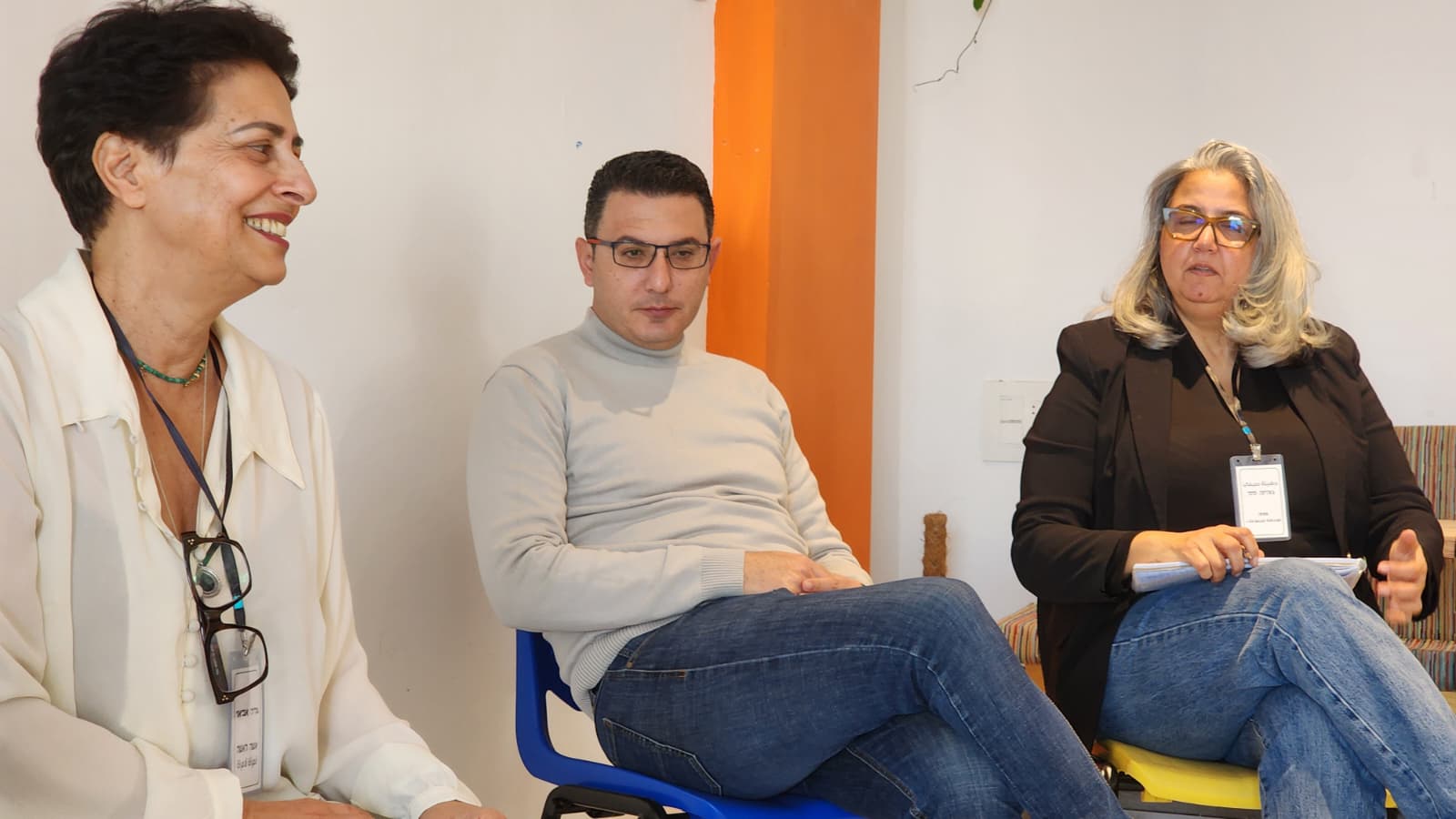
From there participants named what is now missing between the communities: fear, which makes people weigh their words before speaking; declining motivation to enter joint frameworks at all; constrained freedom of expression; and the absence of a space in which speaking freely would be possible.
Naming these four together is what gave the day its value. Set side by side, they describe a single problem. The conditions for partnership are eroding faster than any one project can offset, and rebuilding them comes before the joint programs organizations want to run.
On a morning when participants concluded that shared space in Haifa has grown scarce, the session was itself an instance of that space: 11 bodies, Arab and Jewish, municipal and independent, in one room, speaking directly. Under current conditions, convening is not preliminary to the work. It is a substantial part of it.
SDC's role here is to enable: to provide the conditions, the platform and the facilitation. The organizations in the room are the ones who carry what comes next. They left with both a diagnosis and the appetite to act on it, and SDC will keep this circle in motion.